Chennai, India: Dizzee World! – by Connor

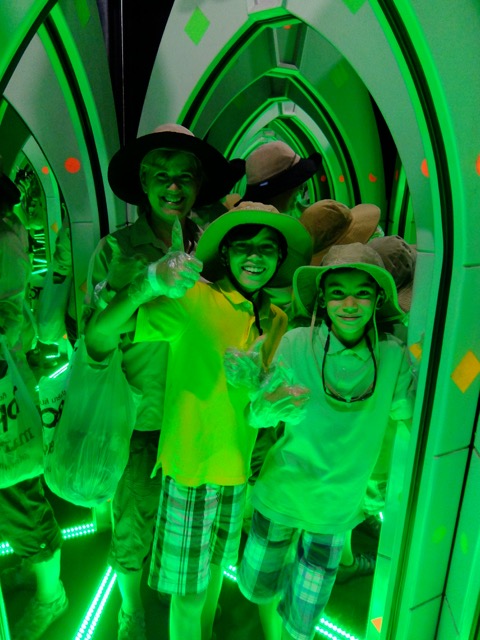
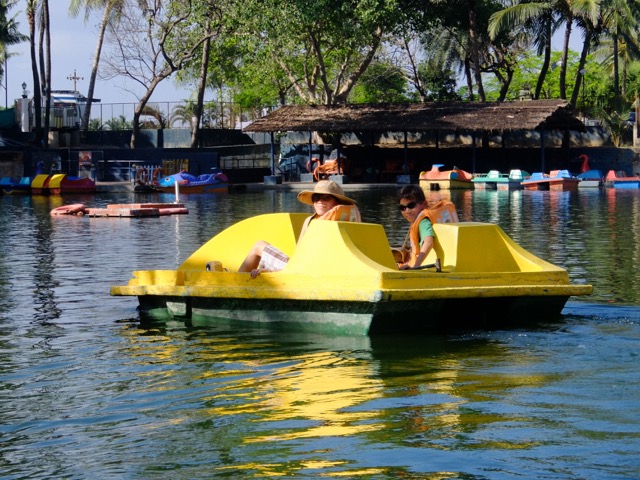
After staying in Chennai, India for a few nights, we asked our driver to bring us to an amusement park called Dizzee World. We arrived and nobody was there. The first ride we went on was a bench that swung back and forth. My mom and I sat on it while we looked at the map! We decided that we would go through a maze to start. We entered it and there were mirrors everywhere. They gave us plastic gloves to feel around the area. It was not dark, but it was not very light either. We felt around and found a door. We thought it was the end until we went inside and saw nothing but a never ending room. We discovered that there was a door in the middle of the room. We opened it and saw a thing called the vortex. The vortex is basically a very large tube that spins and makes you dizzy. We got out of the maze and went to have lunch.

DSCF1613

After that, we went to a ride called the mini roller coaster. I was a little hesitant because I had a fear of roller coasters. We went up to the cars and Caleb and I climbed in the front seat. The first two drops kind of freaked me out and then it calmed down but we went around two more times. I started to get used to it and found it really fun!

After the roller coaster, we went to the bumper cars. We were supposed to have a minute or two on the cars but the person who ran the bumper cars decided to jump into one himself! After what seemed like twenty minutes of driving we were pretty sweaty!

There was a water park so we went to cool down in it. There were five slides open and the steepest one was in the middle of a blue slide and a yellow slide. The colour of this slide was red. There were two longer slides off to the side. I went down all of the slides, but I was hesitant for the red one.

DSCF1644

Over all, Dizzee World was very fun and I would go there again. It was quiet and had lots of rides to choose from and they even let us go a second time even if we weren’t supposed to. Dizzee World was fun but rather unsafe as well. Why was it so unsafe? Who knows!

Chennai, India: A Gentle Introduction to India – by Barb

Whenever you mention that you will be traveling to India, someone undoubtedly says, “Oh, that will be difficult.” Between the extreme poverty and the challenges with the food, adventurers to India usually anticipate there will be some kind of hardship along the way. So, we were incredibly grateful to begin our travels in India by staying with our friends in Chennai. We taught with these friends many years ago in Caracas, Venezuela and we try to meet up every two years or so. When we do it seems like we are able to just pick up where we left off! As our time to fly to Chennai drew closer, however, the flooding situation forced us to question our decision. Our friends were without power for a couple of days, but fortunately their house was not directly affected by the flooding so we decided to forge ahead.

Despite a few setbacks (our friend was hit by a motorcycle and had to spend the night in hospital; another day their dogs attacked a very large rat outside our bedroom door which was a wee bit smelly and messy, to say the least!), we were able to settle into a bit of a routine at their home and felt like we could leave our nomadic lifestyle behind for a couple of weeks. It was a great introduction to India. They have a lovely home and we were able to have our own bedroom with an attached bath, while the boys shared a bedroom with attached bath. There was a small grocery store around the corner so we could buy groceries and prepare the evening meal for our friends when they returned home from school. They have a driver and we were able to use his services once he had driven them to school in the morning. Since it was the last week of school before the holidays and since the flooding had caused the school tDSCF1587o cancel all after school activities, our friends had a little more free time in the evenings and we were able to sit up and chat and even managed a fun game of Settlers!

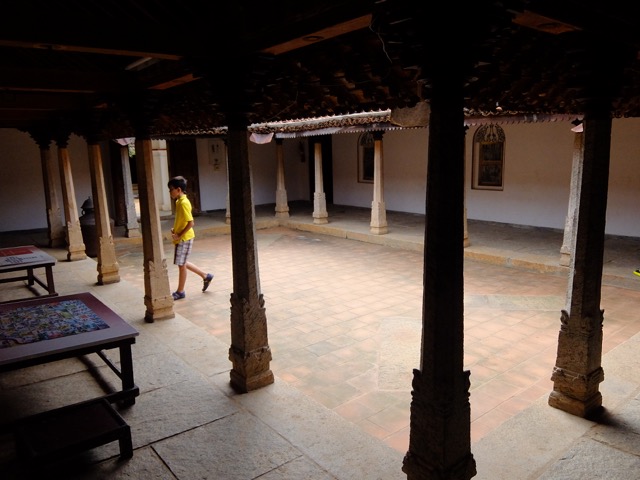
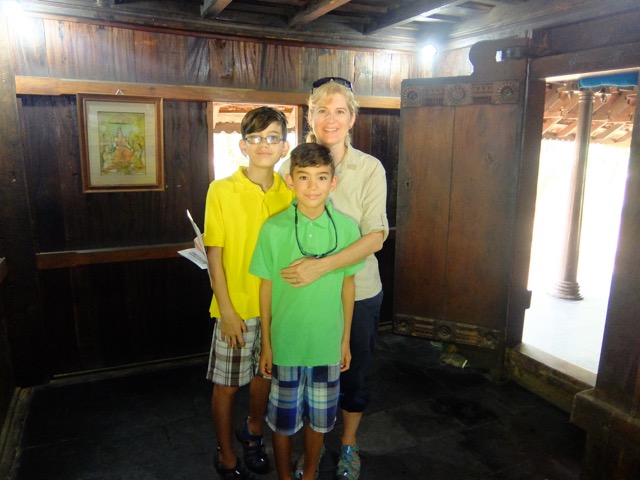
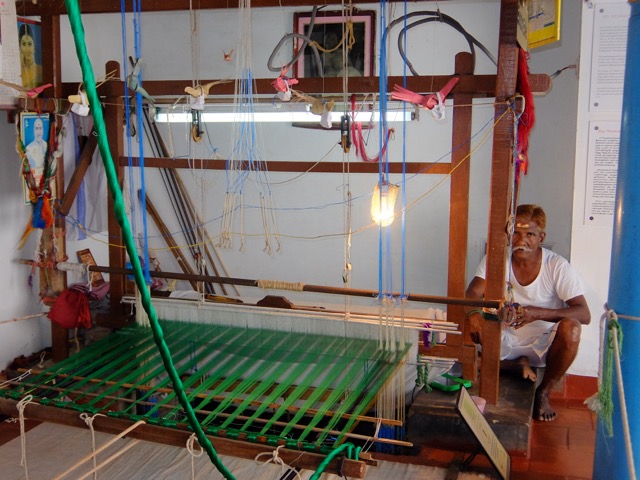
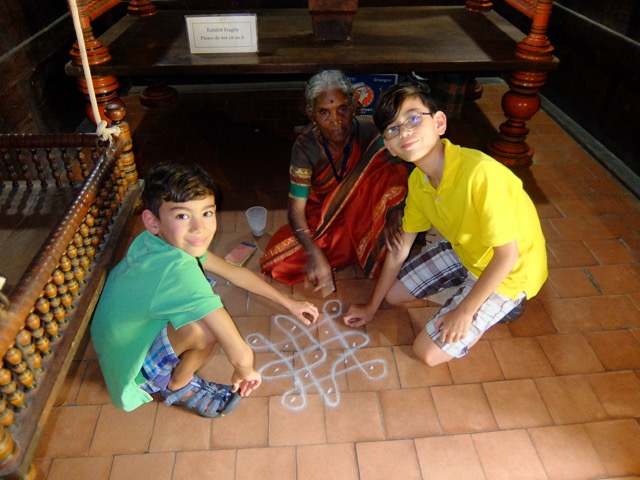
While it was tempting to just hang around the house relaxing the whole time, we did managDSCF1594e to fit in some sightseeing! We visited Dashina Chitra. Dakshina Chitra is a small village recreated using replicas of traditional South Indian houses dating back to the 19th and 20th centuries. Visitors get a peek into the lifestyle and cuDSCF1589stoms of different communities of South India and also view artifacts made by the local artisans. Unfortunately the mosquitoes at the place were fierce and kept us moving through at quite a clip! There were a few activities you could do, such as making a clay bowl, or building a puppet but no one spoke English so the boys were a bit intimidated with people jabbering at them and not being able to understand them! They did manage to make a clay bowl but the lady who kept asking for money when we took her picture put them off a little!

DSCF1595

DSCF1608

DSCF1610

DSCF1597

Another place we decided to try was Dizzee World and I’ll let you read the boys’ blogs about that one! It was a cultural experience at an amusement park and a lot of fun!

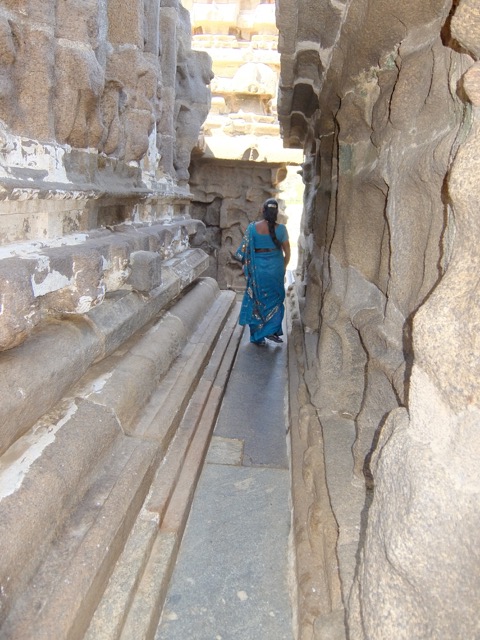
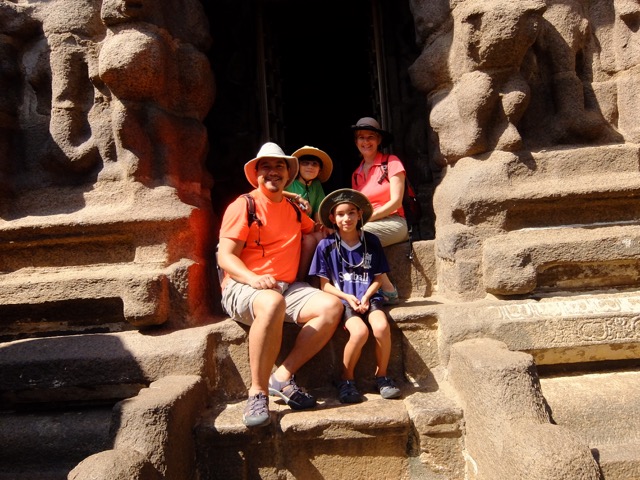
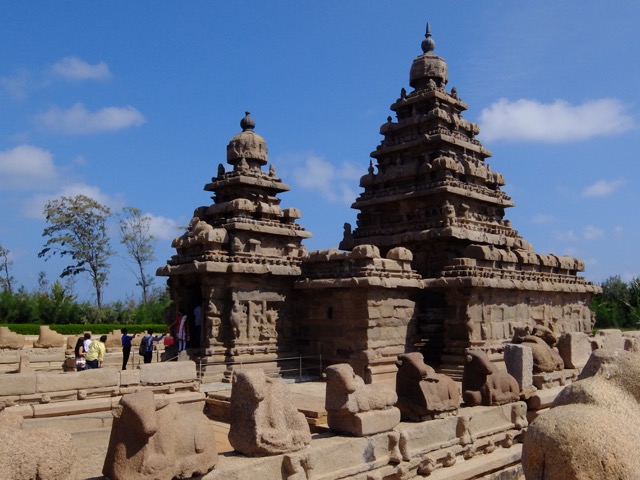
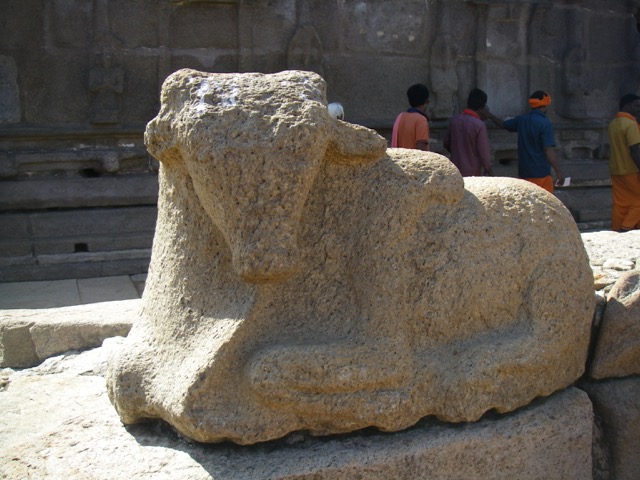
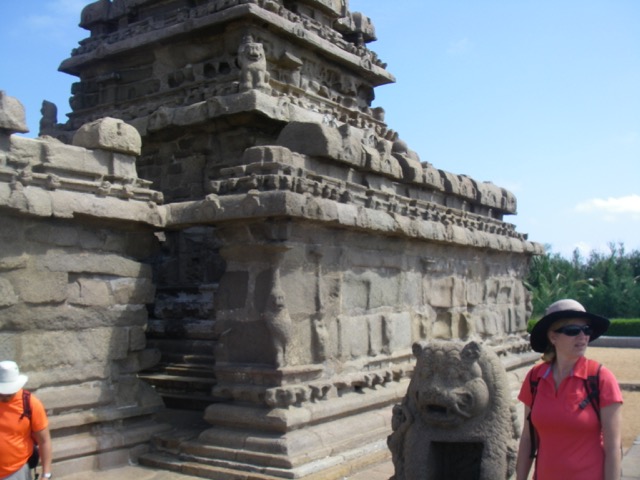
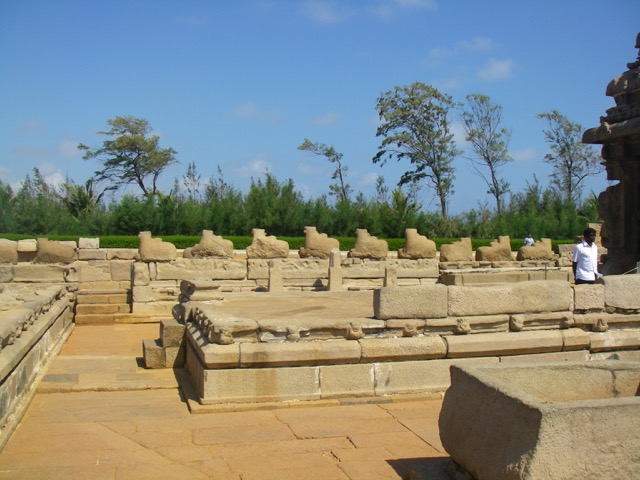
Our friends highly recommended visiting was Mamallapuram (also known as Mahabalipuram). Mamallapuram dates back to the Tamil Pallava dynasty in the 7th-9th century. The structures here, mostly carved straight out of granite, are among the oldest existing examples of South Indian architecture.

DSCF1656

DSCF1659

DSCF1661 DSCF1672 DSCF1676 DSCF1678    DSCF1688      DSCF1695DSCF1700DSCF1704

DSCF1707 DSCF1712 DSCF1717 DSCF1721   IMGP1226IMGP1229    IMGP1244IMGP1249


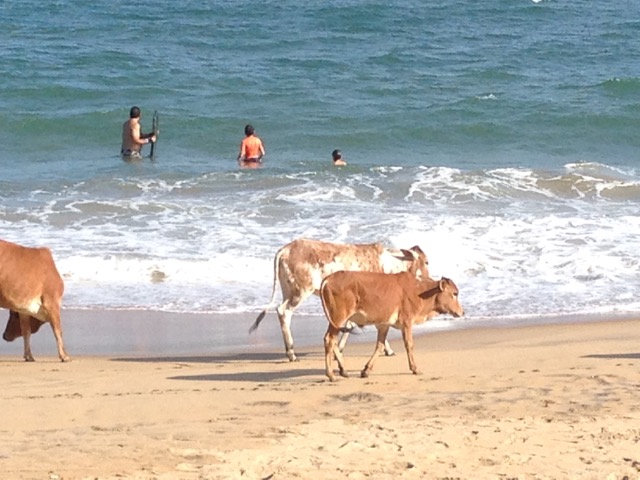
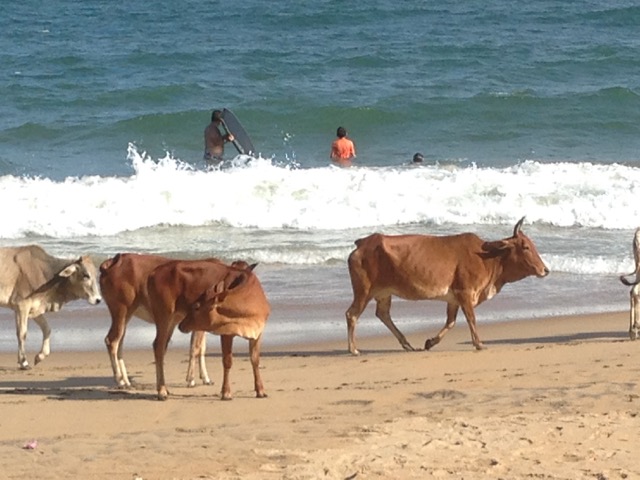
We spent a couple of hours looking at the impressive sculptures and then cooled off at one of the private beach clubs on our way home. Of course, the beach wasn’t without its excitement too!

                          IMG_0686          IMG_0687 IMG_0688

Annapurna Mountain Range, Nepal: How Much Farther?! – by Clay

Ok, so we arrive in Kathmandu from Darwin, Australia after a number of delays in Darwin (not sure of the cause) and what a difference in temperature. Darwin was a balmy, humid 38C while Kathmandu was 12C when we stepped off the plane. We were met by the manager of the hotel we were staying, and he had a driver waiting for us. We quickly learned that vehicles in Nepal are often crammed with more people than the seats allow. Our duffle bags and backpacks were also thrown on top of the roof and not strapped down as we made our way to the hotel. Surprisingly, nothing actually flew off! The room was fairly small but comfortable enough.

The next day we explored the Thamel area (where we were staying) and found that there was an energy crisis due to the fact that India has blockaded the border and is not allowing the shipment of cooking and vehicle fuel through. That made driving 3x more expensive and restaurants that were open for business were harder to find. There were also scheduled rolling blackouts for the electricity. Apparently, India doesn’t like the fact that Nepal is drafting a new constitution.

We found a restaurant and I ordered a typical Nepalese dish which was called “Chicken Thali” which consisted of lentil soup, rice, curried vegetables, yogurt, and curried chicken. It was very tasty and not too spicy – just beware of the pickled root-looking things – they actually burn! Turns out that our guide and porter would eat this for every meal at every teahouse we would stop at.
DSCF1318

After that the hotel manager took us to a trekkers shop where we could buy supplies before we head to the mountains. I had read that 90% of the stuff sold on the streets of Thamel are fake (i.e., if it’s branded “North Face” or “Marmot” or “Columbia”, it’s not the real deal) though the vendors will try to charge you as though it were and you’re supposed to haggle and bargain for everything.  We ended up buying “North Face” down vests for the Barb, Caleb, and Connor and a couple of pairs of wool socks for me (local brand).

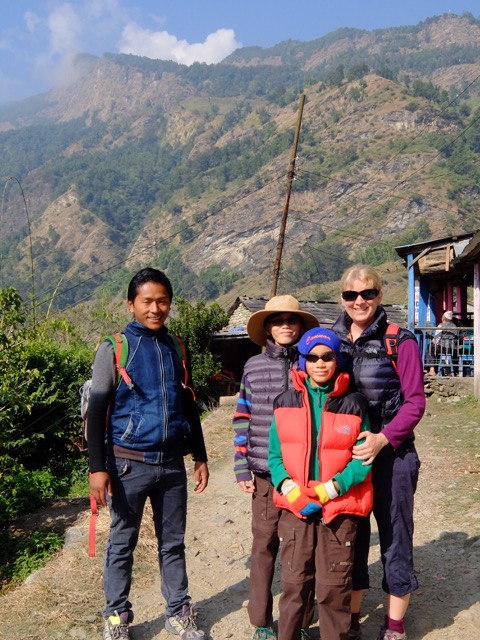
The next day we took off for Pokhara on an 8hr, jerky-jerky bus ride to meet our guide and porter at the bottom of the Annapurna mountain range to begin our trek. We stayed overnight in Pokhara at Hotel Orchid after our harrowing drive through the mountain passes. The next day we started off early and had a cup of tea before setting out. I think our guide wanted to ensure that we had something warm and sweet inside before we started. Nepali tea is served sweet with milk. And you can see that we’re all fresh and excited to start!

DSCF1325
Dhana, our guide, was a character. He left home in the Everest region at the age of 9 to earn money in Kathmandu by washing dishes. By age 12 he had become a porter and was carrying up to 50kg packs for trekkers! He learned to speak English very well by talking to tourists and eventually became a guide around 18.  Sangit, our porter, was about the same age and spoke less English so we didn’t get to know too much of his history.  Laws had been put in place to help protect the porters so load restrictions had been imposed. Porters could only carry a maximum of 30kg. All our stuff weighed about 20kg so we were well within the limits.

The first day of the hike was very difficult and gruelling. We began in Nayapool (elev. 1070m) and would be climbing through Birethanti and Hile to a place called Tikhe Dhunga (elev. 1577m).

DSCF1327

It started off as a mild incline with ramp-like roads but eventually gave way to steep stair-like steps. There were points when I felt like I was climbing a ladder but with a backpack on so I was huffing and puffing pretty much all day. I thought I was going to have a heart attack! By contrast, the boys seemed to be loving the experience and were scampering up and down the path ahead of us like a couple of mountain goats. Dhana would shake his head with a smile and say, “Too much energy”. Even worse (for me) was Barb who was right behind the boys like a mama alpaca watching over them. Whenever I asked Dhana how much farther the teahouse was his reply was always the same, “Just a few more minutes of walking”. *GROAN*

When we arrived at Tikhe Dunga Dhana suggested we keep walking for a couple more hours to reach Ulleri (elev. 2073m) because the hardest part of the trek was between Tikhe Dunga and Ghorepani so it would be a good idea to get part of it out of the way. More *GROAN*

DSCF1420

When we finally arrived my legs felt like overcooked spaghetti.
DSCF1402

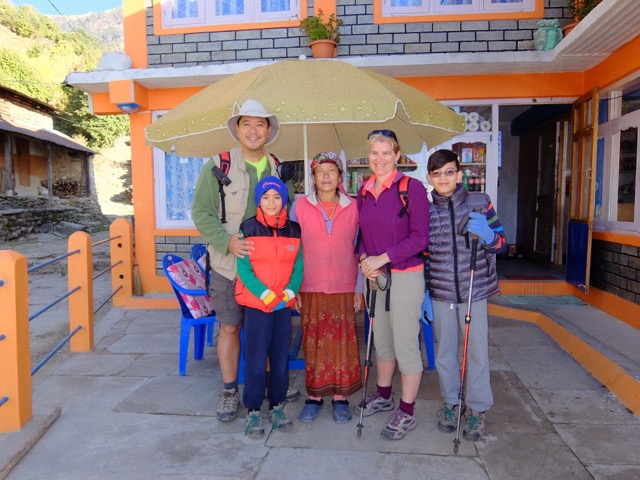
I forgot to mention that the climate changes every 5 min. of climbing due to the altitude so this teahouse was freezing. There was a common room on the ground floor with an oil-barrel wood stove where you could hang your wet clothes (either from sweat or cold water washing) to dry overnight. The lady that seemed to own/run the place seemed genuinely glad to have us there. The high season for trekking had just ended as winter weather was starting to settle in at the higher elevations so the teahouses were practically deserted. Besides us, there were two retired school teachers doing the same circuit trek as we were. Anyway, the lady who ran the place seem quite taken by the boys, Connor in particular. I think she was just a grandmotherly type of person.

DSCF1401

Just before we left we saw a man carrying 3 sheets of plywood on his head and back heading up the mountain. I’m not sure how heavy that was but it I’m sure it was heavier than our daypacks! It was also good for the boys to see how stuff got transported up there in the mountains. We explained that the man was only probably getting paid $1 for his labour, if even that much. Dhana’s wife is a school teacher and she made the equivalent of $60USD each month.

Day 2 was just as gruelling, if not worse than the first day. Even the boys found it more challenging and asked Sangit if they could borrow the telescoping walking poles he had attached to his pack. Eventually, they heard me wheezing away at the back of the line so they handed them over to me and Barb (she had also begun to slow down). Dhana also found a couple of stick in the woods so we could use two poles each. Apparently, 30% of your climbing energy can come from the use of these poles by allowing your upper body to help stabilize and lift yourself up. Needless to say, I used the poles for the rest of our journey. We encountered several mule trains, local wildlife, and teahouses along the way. By far the most frustrating for me was the man with the plywood. We would pass him and then we’d pause for a rest and he’d pass us. Then we’d start again, pass plywood man, rest, plywood man lap us again, and the whole thing would repeat over and over. It made me realize how out of shape I am when plywood man carries 200 pounds and laps me several time throughout the day. Must be the altitude. Yeah, that’s the ticket.

DSCF1378

We reached Ghorepani (elev. 2850m) just after noon so we had lunch at the teahouse and my legs felt like LEAD STUMPS. I told Barb that I could not go on to Poon Hill which was just “a short walk” further up the mountain to see the sunset. She suggested I take a nap to help relax my legs and that it would be a shame to come all this way and not go the last little bit to reach the top.

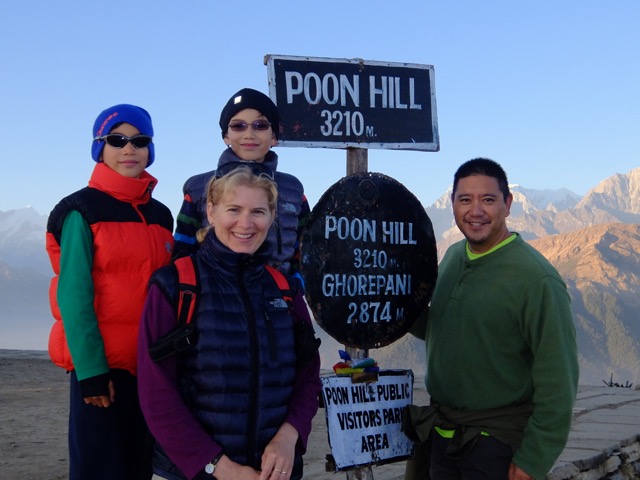
DSCF1429So an hour later we were again trekking straight up. The boys were actively encouraging us on. They still seemed to have lots of energy. Poon Hill is a “public park” so it had actual steps for parts of the way. You can also see a cell phone tower behind Caleb near the top of the peak. Needless to say, we had great reception on our devices here.

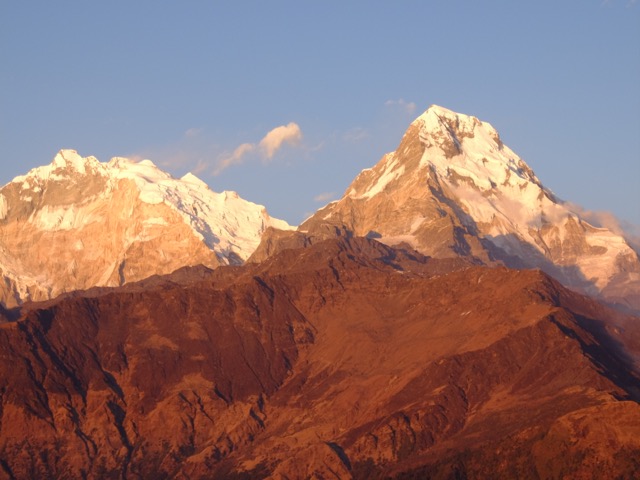
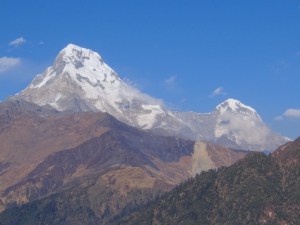
After an hour and a half we finally reached the top (elev. 3210m) and I’m glad Barb pushed me on as the view was spectacular! We were above the clouds.

On a side note, even though the down vests were not genuine North Face, Barb and the boys were very grateful to have them. At the very top of Poon Hill was the only time I regretted not getting a vest but that would have been silly to buy one for the 45 minutes we were at the peak.

DSCF1431 DSCF1435 DSCF1485

Dhana told us that the next three days of hiking would be easier as we were starting to head down, although there was a section where we had to go up, then Nepali flat (which means uneven up and down for a while), then down. We discovered that the trek down, in different ways, was just as difficult as climbing up. Again, the walking poles helped me a great deal. We noticed as we came down that much of the mountainside is terraced in order to grow crops.

DSCF1349

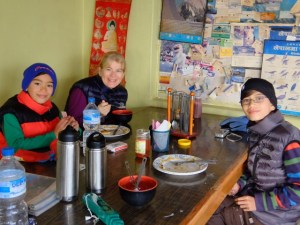
We left Ghorepani and worked our way up and down through Deurali (elev. 2960m), Banthanti (elev. 2194m), and stayed in Tadapani (elev. 2630m) for the next night. We stayed at the Himalaya Tourist Guest House and the lady there had been stoking the oil-barrel furnace all day so that there was lots of hot water. We saw signs all over the common room – phone charging station (100NPR), hot shower (200NPR), Nepali Tea (50NPR). We were running out of money and I was the sweatiest and dirtiest one of the bunch so I won the hot shower. Turns out it was so hot that I couldn’t even stand under the stream and, of course, the cold valve was broken. I ended up splashing myself with scalding water to get the soap off. One of the drawbacks was that none of the sleeping rooms in any of the teahouses had any electrical sockets and I needed one for my stupid CPAP machine. I do have a portable battery but it takes a 12-13 hour charge for it to last for 7 hours of runtime. Basically, I had quality sleep a little less than 50% of the time due to non-existent sockets. Happily, though, since it was low season, we weren’t charged any money for my shower or to charge my phone and CPAP machine.
DSCF1536 DSCF1537 DSCF1539

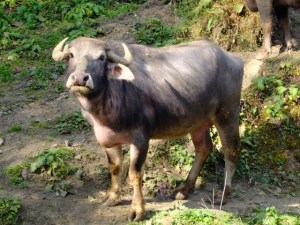
From Tadapani we walked through Bhatsi Kharka and Ghandruk (elev. 1940m) where we stayed at Hotel Manisha, another teahouse where we were the only customers. My legs were STILL leaden stumps but, surprisingly, my back had not been thrown out of whack so as to debilitate me. For that I was extremely grateful. As we walked into Ghandruk and approached the hotel I noticed a bunch of fat chickens in the their yard. It looked good enough to eat so I ordered chicken for dinner that night. It was great!

And as a final testament to my weakness and frailty, as we set out on that last day we saw another man carrying a stone slate, which was likely goiDSCF1511ng to be ground and polished to be used as a tabletop. I can’t imagine it was any lighter than plywood man’s load but stone man walked along confidently as though his load were made of feathers. We passed him once but he lapped us on our first rest stop. We didn’t see him after that. I’m pathetic, I know.

The last leg of our journey took us from Ghandruk through Kimche/Dhamle, Syauli Bajar (elev. 1190m), and Birethanti (elev. 1080m) – yes, the same Birethanti that we walked through on Day 1. We were also supposed to walk back to our starting place of Nayapool but Dhana hired a Jeep to take us from Birethanti back to Pokhara and Hotel Orchid.

So am I glad we did the trek in Nepal? YES! It was beautiful, scenic, and a wonderful experience to have as a family. Would I do it again? Not unless I had properly prepared and conditioned my body to be healthy and ready to brave the rigours of the trail. Yes, the Ghorepani – Poon Hill circuit is supposed to be the easiest trek in the Annapurna mountain range but it’s all relative. When you consider the flatness of Ontario and that I’m a chubby hubby who enjoys steak, spaghetti bolognaise, bacon, and chicken wings – usually in one sitting – this is not a hike for those who aren’t prepared both physically and mentally. Yes, I managed to do the trek but I think I would have enjoyed it more if I was in better shape. Dhana and Sangit, on the other hand, were absolutely fabulous. They related well with the boys, playing Chain Reaction on Dhana’s phone or patiently learning how to play Hearts or Euchre from Caleb and Connor in the evenings.
DSCF1544

Kathmandu, Nepal: We’re Not in the Tropics Any More! – by Connor

We flew into Nepal and it was fifteen degrees outside. We walked through the terminal and I started to feel like an ice cube! We got our luggage and tried to find an ATM but there were none in sight. As we left the terminal someone came to us and asked us if we were gong to a hotel called Hotel Veda. We were and he was the manage of it!

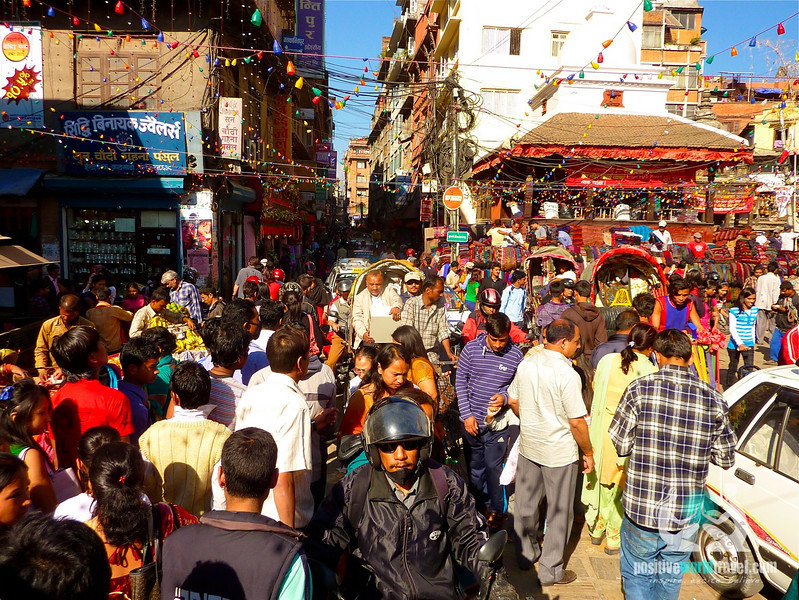
We jumped into the van and started driving to the hotel. My dad asked if we could stop at an ATM. We stopped, got out some money and started driving again. The streets in Kathmandu are very small and filled with lots of people, bicycles, cows, tuk tuks, so you have to swerve around everything as you go.

VLUU L210  / Samsung L210

Kathman2

We arrived at Hotel Veda and the manager asked us if we needed any food or drinks. My dad looked at Caleb and I, we were practically falling asleep! (It was very late and we’d been up since 3 a.m.!) So, we decided that we would get into our room and go to sleep. My dad was still hungry so he went out to find some food. By the time he got back Caleb and I were already asleep.

The next day, we had the best breakfast ever! We weren’t able to have breakfast at our hotel because there was no fuel since India has blocked most of the fuel (for cars and kitchens) from crossing the border into Nepal. We went to another hotel down the street that had some fuel to cook with. They served us bacon, eggs, sausage, an stir-fried potatoes with green pepper and onion. With that, we had tea, fruit juice, and a plate of toast. I tried to eat all of that but you can only eat so much.

After the amazing meal, my mom was looking forward to doing some trekking so we needed to make some arrangements. We went back to our hotel and talked about it. We decided that we would do a five day, six night trek from Pokhara to Poon Hill. Caleb and I were very excited. We needed to get some gear for our trip so our hotel manager took us to a shop where he had a friend that sold mountain equipment. We bought everything we needed and headed back to our guest house.

The next day, it was time to start our trek. But first, we had to take an eight hour bus ride to a place called Pokhara. After the very long bus ride, we arrived at the bus stop and waited for someone to take us to Hotel Orchid. A car pulled up in front of us and we jumped in. Before we knew it we were at the hotel and it was nice.

DSCF1325After a night there, we took a one and a half hour van ride up the mountains to begin out trek. The trek started easy, going down a hill and then it was flat. We thought it was hard but it didn’t get any better! After the flat part, we had to go up a very, very, steep hill. Then we had to go up stairs and that was really painful! But then it was down hill so our legs had sweet relief! After a few hours of mountain climbing, our guide told us that lunch was a few more minutes head. Now we had something to look forward to!


DSCF1340

We kept on passing villages with little restaurants but we didn’t stop for any of them. Finally, a little restaurant in the middle of nowhere seemed to be the lunch station. Our guide Dhana gave us a menu and there was lots to choose from. I got noodle soup and it was delicious. It took us about half an hour to eat lunch. After the amazing meal we started walking and it was only up hill for four hours. Most of that was steps. Dhana said that there were three thousand five hundred steps. We walked and walked unDSCF1500til Caleb pointed to a blue house in the distance. He asked Dhana if that was our tea house (guest house). Dhana said it was. So, we walked some more and low and behold, there was the blue house! Caleb anDSCF1360d I rushed to the blue house but Dhana said we needed to go just a little bit further. We climbed some more and arrived at another blue house. We asked Dhana if this was our house and Dhana replied just a little further! When we were walking we saw about nine more blue houses but none of them were ours. Finally, the ground started to level out and we came across a pink house and it seemed to be ours! We went inside and asked for our room key. I was frozen when we went into our little room. I looked outside our window and we were over the clouds.

The next morning we had to walk for six hours. Dhana said that this was the hardest day of trekking. We hDSCF1381ad breakfast and started walking up steps. My mom asked Dhana if these were still part DSCF1349of the three thousand five hundred stops of pain! Dhana didn’t know but he said that the steps were about to end. After about an hour of steps, Dhana said that there were only a few more steps to go. Of course, a few more meant a lot more than we expected! We climbed another while and it was finally “flat”. Flat in Nepal means a little up and a little down – Nepalese flat! After the flat part, we stopped at a restaurant and had lunch. Dhana said we were going to the top of Poon Hill so we could see the sunset.

After lunch we settled into our room and my dad was so tired he took a nap. He slept for about an hour until we had to go. We left all of our bags and DSCF1413other stuff in the room. We started up to Poon Hill and then we had more steps to

DSCF1431climb. After a few flights of stairs they curved and my dad was falling behind. After a few flights of stairs, they curved and my dad was falling behind. WE told him not to look around the corner, but he did anyway……Still more stairs! My dad started feeling like Po from Kung Fu Panda, if you know what I mean.

We managed to get to the top and woo-hoo, there were benches! After a few sunset pictures we headed back to our hostel. It was very dark so we pulled out our flash lights. We got to the bottom of the stairs and walked to the guest house. We got inside and ordered a loaf of

corn bread. After that we went upstairs and went to sleep. DSCF1463

DSCF1437

DSCF1485


The next day our guide told us we would need to climb the next “hill” before we would start to go down, so there were another couple of hours of up hill. Then we had to spend a couple hDSCF1405ours making our way down the mountain before we stopped for lunch. We stopped at a small tea house for lunch and you could see a cloud come right in over us. It was veryDSCF1531 cold. Even my dad was freezing and he never gets cold! We had some warm soup and decided we needed to get moving before we got even colder. We continued our way down the mountain. We were so happy to see our next tea house. They had a small steel drum inside where you could warm up. We had to wear our long underwear, toques, and socks to bed that night to stay warm. Caleb, my mom and I cuddled into one little bed, while my DSCF1534dad got the other. It was cosy as long as you stayed under the covers!

Our final two days of trekking were more down and Nepalese flat. They weren’t too bad and it started to get a bit warmer again. Our guide and porter taught us how to play a game on their phone and we taught them how to play euchre and hearts. It was fun.

Once we reached the bottom we caught a truck back to Pokahara where we stayed one more night. Then we returned to Kathmandu. Trekking was fun!


Great Barrier Reef, Australia: A Snorkeling Adventure! – by Caleb

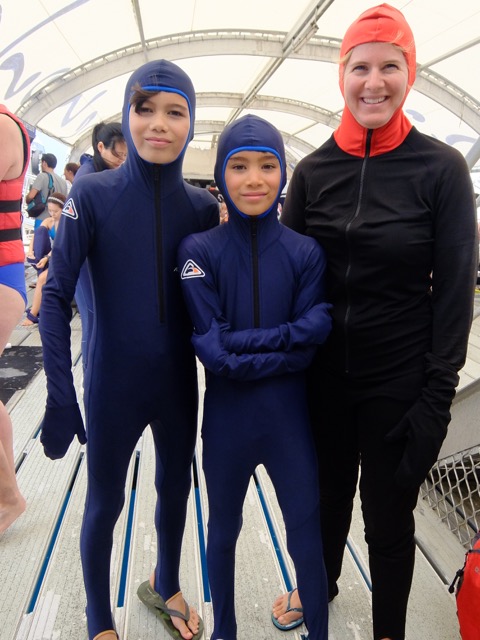
Our last major activity in Australia was snorkeling in the Great Barrier Reef. We took a one and a half hour rocky boat to the reef, which none of us found very fun! When we arrived, we exited on to a massive floating platform where we would get our gear and later have our lunch. We ha the choice of either lycra suits or wet suits. We diced that it was better to be cold than to be stung by a jellyfish, especially a box jellyfish, thus we took the lycra suits. We got flippers and a snorkel along withDSCF1273 our lycra suits and were soon int he water, which was inhabited with many different coral. DSCF1266

I have a small quiz for you containing a few different questions about the reef. Question 1: How big do you think the reef is?

Answer: 2500 km long!

Question 2 (and final question): How many types of coral make up the Great Barrier Reef?

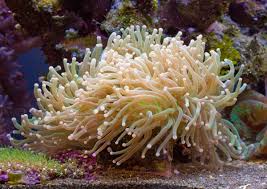
Answer: really, just two – hard and soft coral. But there are different ways to identify the many, many different hard and soft corals.

Let’s start with the hard coral – there are branching coral, plate coral, vase coral, sheet coral, boulder coral, cabbage coral, mushroom coral, slipper coral, and basket coral. There are all kinds of hard coral. With the branching coral, there are four kinds: staghorn, finger, needle, and knobby. The knobby coral looks a lot like a whole pile of stegosaurus plates all clumped together and sticking out of the sea floor. The needle coral looks, well, like a mess of needles under water. The finger coral is also pretty self explanatory. It looks like a lot of fingers sticking up and it covers a wide radius. Finally, the staghorn coral looks like moose antlers in the water. All four of these branching coral are fast growers, but they only grow to about a foot.

The boulder coral are a different story. They get massive! When I say massive I mean like six meters! However, the boulder corals are split into four different types, just like the branching coral. There is the lunar, brain, honeycomb, and golfball coral. They all look just like they sound. boulder

brain

The plate corals are also pretty big. They can get up to two meters. However, some do get a lot bigger and then they are called table corals. Again, they look like they sound. The sheet coral look like crumpled pieces of paper and the vase coral look like an upside-down volcano. Cabbage coral looks like cabbage and the slipper and basket corals look like boomerangs. The only way to tell them apart is the slipper coral look fuzzy as opposed to basket coral which is smooth. The mushroom coral look like small squished pom poms! soft coral

The soft coral all look similar. They all look like trees swaying in the wind. funny enough, only 7% of the reef is coral. I don’t know why. I just learned it and it’s right. Corals are really animals. They are the largest living organisms and the reef can be seen from space.

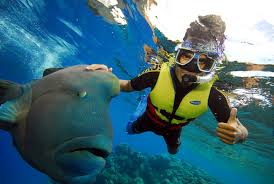
Now, there are lots of fish as well. I cannot tell you all about them because they are way too complex. I can tell you the names of a few of them though and you can Google them. There is the damselfish, the surgeonfish (or Dory from Finding Nemo), the rabbitfish, the maori wrasee, the parrotfish, the triggerfish, the butterflyfish, and the angelfish.

dory

wally


We certainly learned a lot about coral and fish at the reef and it was an amazing experience for our family.

DSCF1262

Driving Up the East Coast of Australia: So Many Wonderful Memories – by All of Us!

Here are some of the highlights from our month long trip up the east coast of Australia:


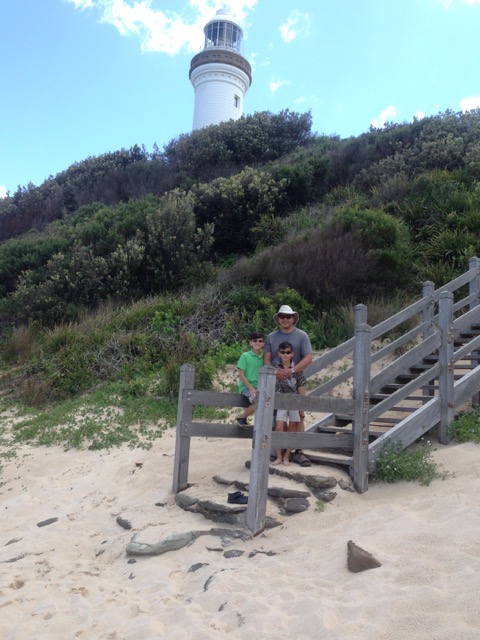
Visiting the lighthouse and walking out on the rocks at Norah Head

IMG_0473

IMG_0468

Watching movies on the big screen at several of the campgrounds

sundancekidzweb1_full

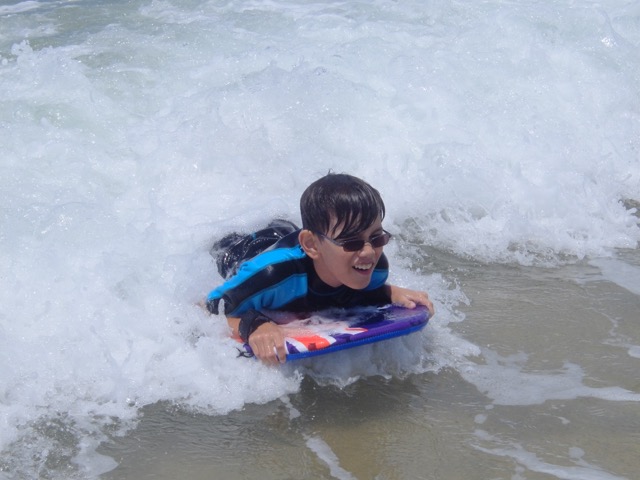
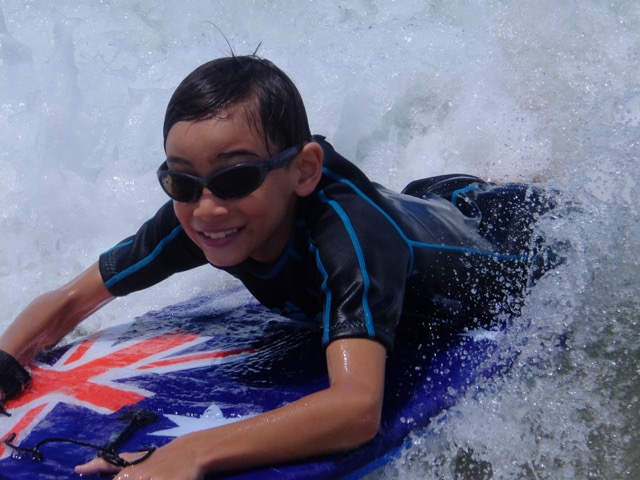
Spending time on some amazing beaches, boogie boarding and swimming

DSCF1158

 Playing on the bouncy pillows at the campgrounds

bouncemat

 Swimming in some of the parks amazing swimming pools (especially the one with the cabanas!)

view

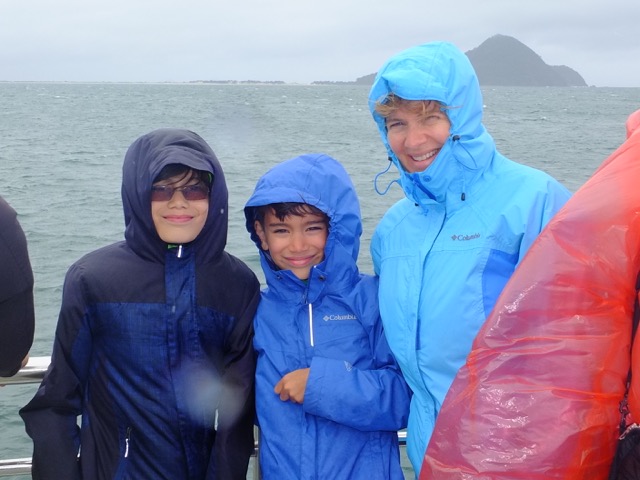
Going Dolphin Watching in Port Stephens on an incredibly windy, wavy day!

DSCF1533 DSCF1524 DSCF1522


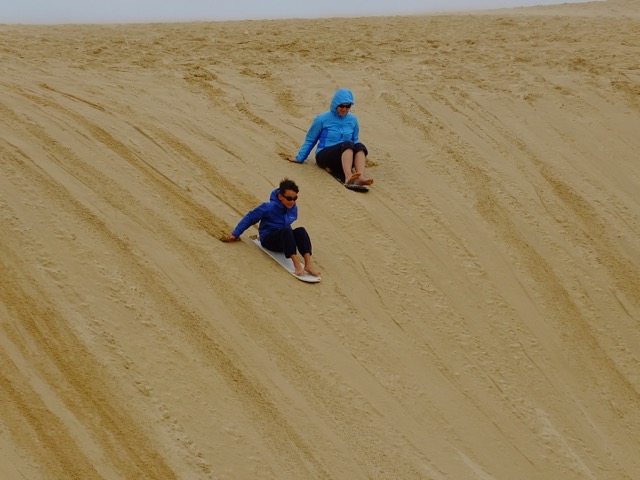
Sand boarding in Worimi National Park

DSCF1692 DSCF1590 DSCF1581 DSCF1567 DSCF1560


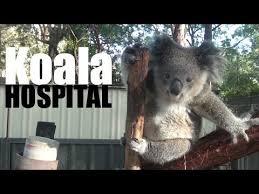
Learning about Koalas at the Koala Hospital in Port Macquarie

koala


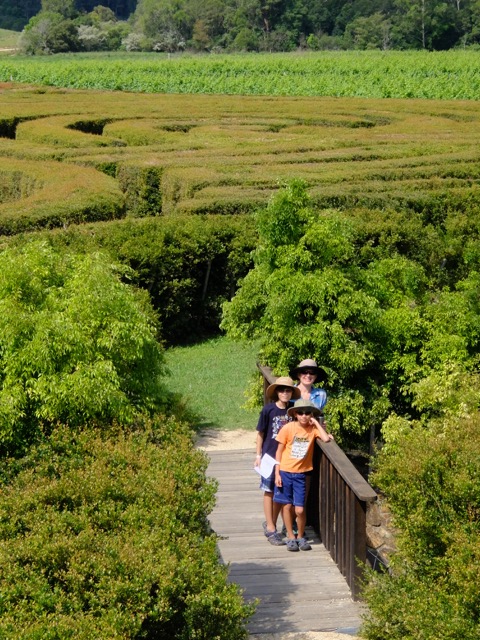
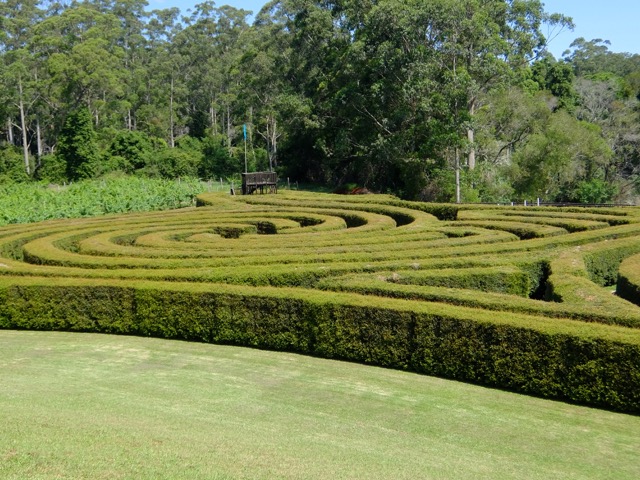
Spending an afternoon finding our way out of Bago Maze

DSCF1044 DSCF1041 DSCF1039 DSCF1038 DSCF1033

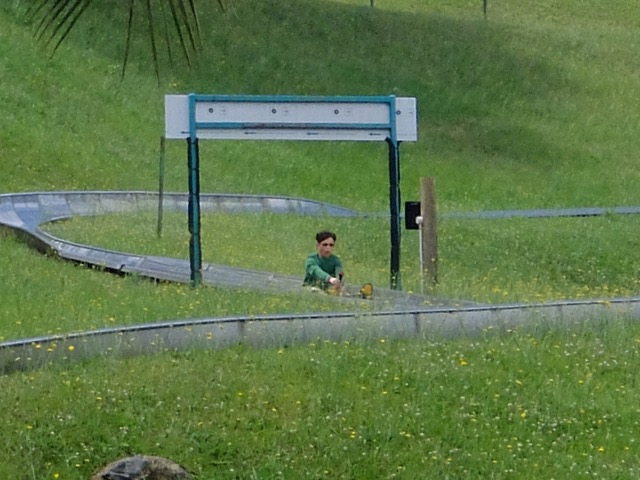
Learning about Bananas and flying down on the mountain coaster at the Big Banana

DSCF1083 DSCF1048


Boogie Boarding at Kirra Beach & Maroochydore Beach

DSCF1169 DSCF1178


Watching the Australia Outback Show in Helensvale

DSCF1094 DSCF1096


Learning about glow worms in the glow worm cave at Tamborine Mountains

DSCF1099

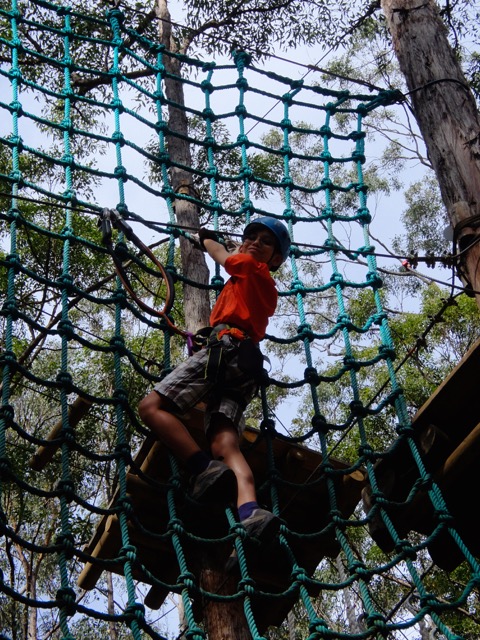
 Trekking in the tree tops on the Tree Top Challenge Course in Tamborine Mountains

DSCF1136 DSCF1118

 Catching crabs on a “catch a crab” tour in Tweed Heads

DSCF1726 DSCF1744 DSCF1750

Eating steak in the “steak capital” of Rockhampton

hogs

Celebrating Caleb’s birthday with fish and chips at Airlie Beach

DSCF1191

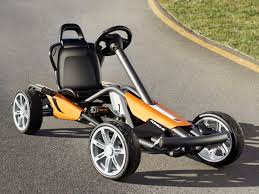
Driving pedal carts around our campgrounds

pedal car


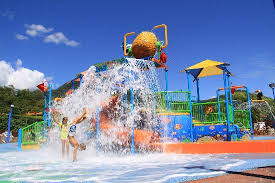
Enjoying the water park at our campground in Cairns (Coconut Holiday Resort)

cairns

Learning all about the flora and fauna of the Great Barrier Reef at our Reef Teach lesson

reef-teach-cairns-2

Learning how to snorkel in a free lesson at our Cairns campground

DSCF1229

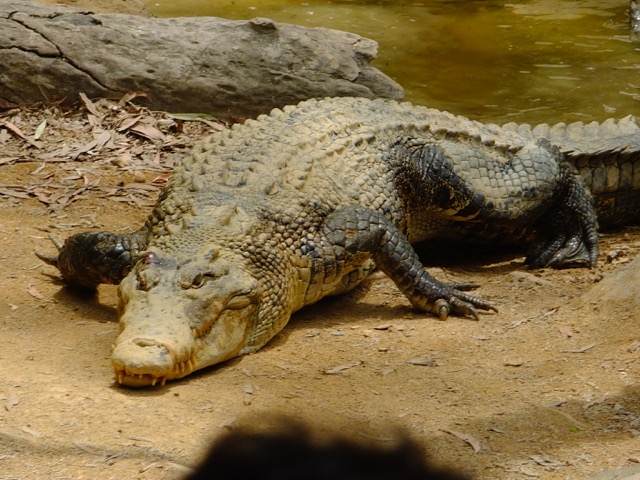
Exploring crocodiles at Hartley’s Crocodile Farm

DSCF1835

Playing Caleb’s Escape Hunt game that he designed for us, for us our cabin in Cairns

 ESCAPE_HUNT_MELBOURNE_LOGO

Snorkelling at the Great Barrier Reef

feature

Watching a Magic Show at the Reef Casino, Cairns

casino

Learning about the rainforest on an Army Duck Tour at Rainforestation, Karunda

kuranda-scenic-railway-ride-amphibious-army-duck-cruise-CN14-mosaic

Trying to throw a boomerang and watching Daddy do the aboriginal dance at Rainforestation

laura-4

Surviving lots of rainy days and nights snuggled in our little camper van

DSCF1252

Good bye! We love you, Australia!

Port Douglas, Australia: Hartley’s Crocodile Farm – by Caleb

Today we planned to go Hartley’s crocodile farm and learn about many different animals, including crocs. When we first entered the farm, we went to the cassowary talk and feeding. A cassowary, for those who don’t know, is a large flightless bird, kinda’ like an ostrich. It is the third largest flightless bird in DSCF1239the world. The cassowary is a very cool but complex creature, thus making it tough to explain, but I shall try my best. If you imagine an ostrich, then you are off to a great start. A cassowary looks a lot like an ostrich, except the body is a very deep black and covered in feathers that resemble hair more than feathers. Another great way of explaining it, is it looks like a black pillow exploded and glued together by someone with very poor eyesight! Only, the pillow was filled with human hair rather than feathers. The neck is a nice, solid blue with huge wrinkles on it similar to an elephant leg, or a chunky grandmother. The head is the most complex of the body parts. The eyes are very distinctive. They look like big marbles with DSCF1800over-cooked onion rings incased in them. They have a long black beak with lots of teeth. They only grow teeth when they are older. They also have a big black hump on the top of their heads. It is kind of weird because no one knows exactly what they us the hump for. Some say communication; others, who aren’t as experienced say that they are just there. It almost sounds as if it’s hollow. You just kinda’ hit it and “tonk” it makes that noise. Any who, I hope you now have a good idea of what a cassowary is. If not, read this again and again until you do!
 

DSCF1801 DSCF1803

When we arrived at the feeding, all we did was sit there and take photos. Pretty exciting! Finally our guide, who was going to tell us about the cassowary and feed it, arrived. The cassowary is the most dangerous bird in the world and can reach up to 40 kph. That is another reason people say they have that hump on their heads: it acts as a helmet! Makes sense; if we ran that fast and then ran into a tree we wouldn’t even know it ‘til a month later when the doctors told us! Despite being the deadliest bird alive today, it is a fruit eater like my brother. It also is becoming extinct due to humans chopping away at the rain forest. The way we can help save the cassowary is to raise money, or reduce the amount of garbage we produce, because our trash is poisoning their environment.

After feeding the cassowary we made our way down to the crocodile farm. Our guide at the farm, whose name was Matt, told us the many rules we needed to follow before seeing the crocodiles. His number one rule and my favourite was, “Just be wary of the lagoon we’re about to cross. There are no big crocs in the lagoon, in theory, but there is a black swan who isn’t ultimately friendly.” We crossed the lagoon and saw neither a croc nor a black swan.

IMG_0664

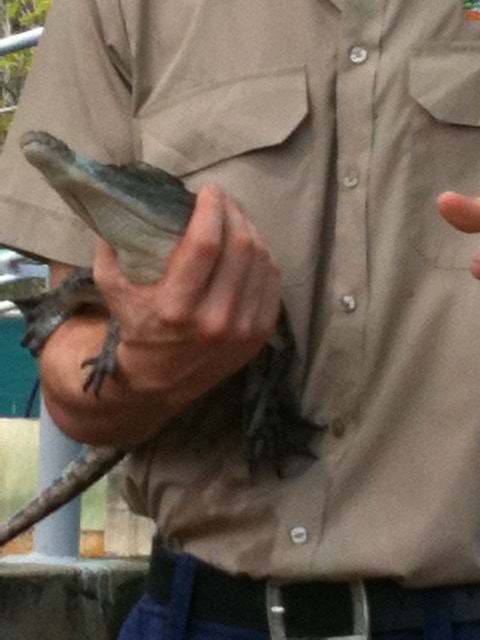
After we crossed the lagoon, we stopped in front of a massive cage, swaIMG_0682rming with crocs. Matt said, “Do NOT put your hand over the cage walls because crocs can jump quite high and if you do put your hand over top, you’re going to have a very bad day!” The cage was filled with green water that looked like it hadn’t been cleaned for months. There was also a small artificial land area. Alongside the massive crocodile swarm, he showed us the nests, and their breeding program. We were luck enough to be able to touch a baby croc, which in my opinion, felt a lot like a small living piece of mosaic art.


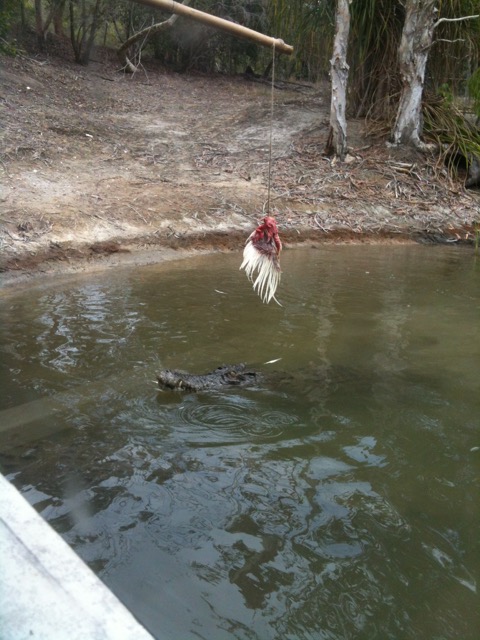
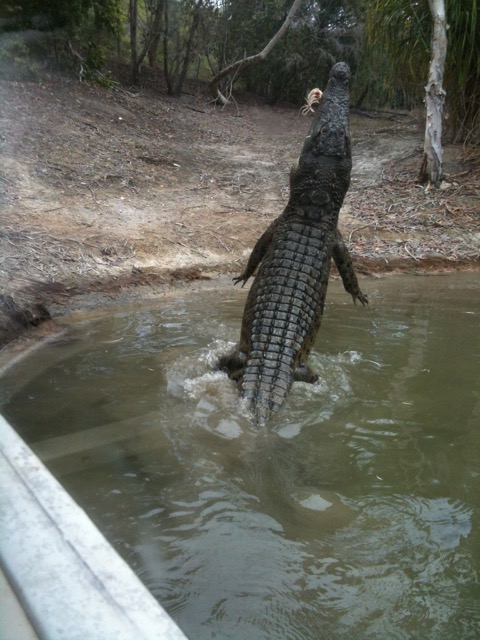
After the amazing experience of touching a croc, we went on the tropical boat tour. This was pretty much a tour that shows you through the rainforest by boat. Also, the boat keeps you from being eaten alive by the many 4 meter long crocs. Our guide on the boat tour, named Mario, showed us many different crocodiles and how they naturally jump to catch their food as seen below.

IMG_0697 IMG_0701

What Mario did was tie a dead bird of some sort to the end of a pole and start swinging it about two meters above the water. A crocodile, named Clockwork, continually jumped up at the bait even though Mario kept pulling the bait away. After a few minutes of fun and hearing the jaw slap, we made our way back to the dock, still in one piece.

After that, we had lunch, which was delicious, then made our way to the salt water crocodile pen where the crocodile feeding was going to happen. Matt, who was our previous guide, also did the feeding, with his partner Mario, our boating guide. The whole show demonstrated how the crocodiles can jump up out of the water to a great height. There were many crocs they were feeding, all of them salt water crocs. The biggest crocodile they fed was a croc they named Spartacus. Spartacus was four meters long and over a hundred kilos! His jaw slap was incredibly powerful! It was literally the new Big Bang!

DSCF1852

DSCF1841

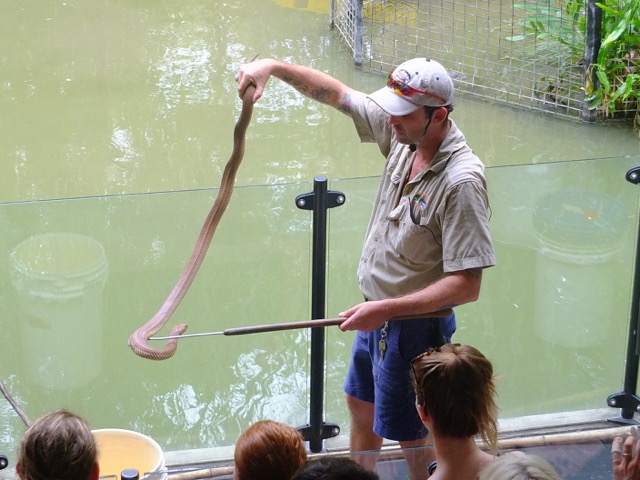
Of course, the walking, humidity and heat was pretty much a recipe for exhaustion. Dad and I returned to the van for a rest ‘til it was time to see the snake show. The snake show happened at two o’clock and was pretty interesting. The keeper who showed us the different snakes was humorous and very good at giving out information. He showed us pythons, the most deadly snake in the world, aka the King Brown, and many others.

DSCF1882 DSCF1872 DSCF1869 DSCF1867

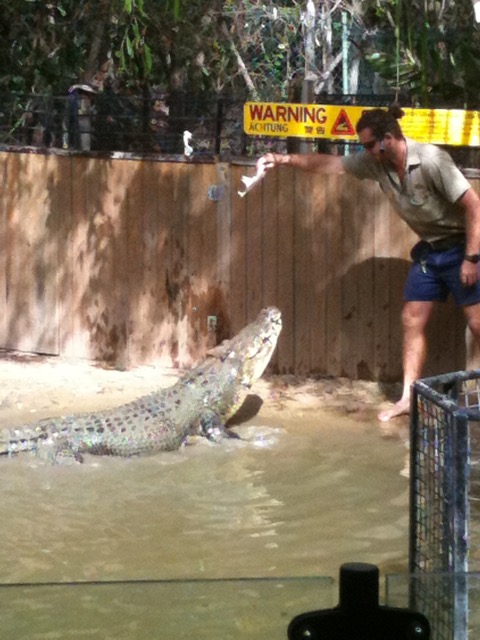
But the real reason we came, was to see the show after this, the Crocodile Attack show. The Crocodile Attack Show here is apparently the best croc attack show in Australia. The guy doing the attack show was named Lee. It is really hard to explain what happened in the show but the photos below should give you an idea!

IMG_0773 IMG_0765 IMG_0764 DSCF1904

DSCF1896

DSCF1888


Overall, Hartley’s Crocodile Farm was a great experience and something that you should see if you are around the Cairns or Port Douglas area in Australia.

Tweed Heads, Australia: Fishing on the Catch a Crab Tour – by Connor

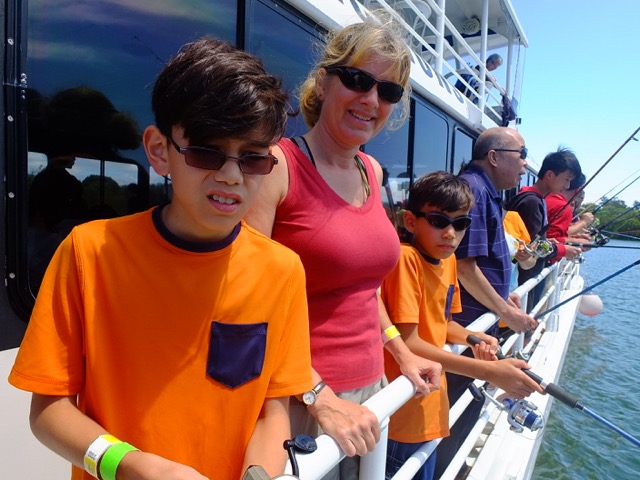
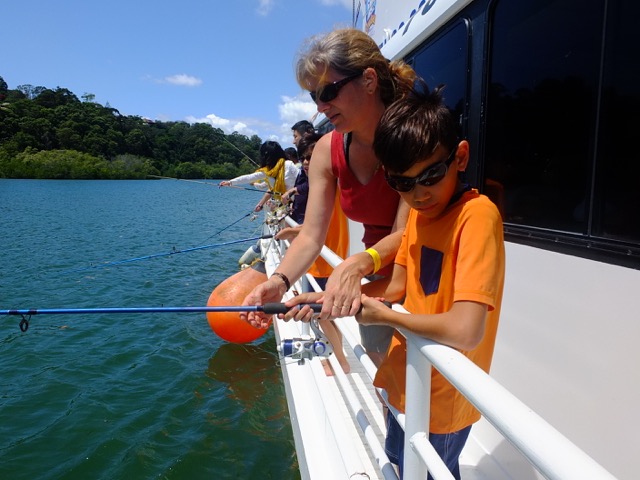
On the boat of catch a crab, we went fishing and I was very excited. Our guide told us to just take a fishing rod from the back of the boat and take the bait, which was shrimp. Of course there were lots of Korean and Chinese tourists! They just pushed their way to the back of the boat leaving Caleb and I behind. DSCF1760After everyone got a rod and bait and started fishing, Caleb and I were still getting the rod and putting the bait on it. There was a little hook on the end of the rod and I had a lot of fun putting the stupid little thing on it! I gave up and asked my mom for some help. Then I felt very bad because my mom put it on easily and I couldn’t.

Finally I got my line into the water and waited, and waited, and waited. I was thinking that fishing was pretty boring! Finally I felt a tug and I pulled my line out of the water and… it was sea grass. After all that waiting I get sea grass. I thought fishing was pathetic! So, I put the sea grass back in the water and then I realized that the bait was gone. Now I really didn’t like fishing. So I got another piece of bait and stuck it on the hook. I didn’t have any problems because I was so mad.DSCF1763

I put my line back in the water and waited. Then I realized that everyone else’s line was sinking and mine was not. I pointed it out to my mom and she said it would sink with the current. I waited for it to sink, but it never did. So I just had to deal with it. I waited for some fish to come along and bite the shrimp. While I was waiting, my mom told me to not catch a fish when she was gone, because she had to run to the washroom. Of course, I finally did! (And it was a big on too.)

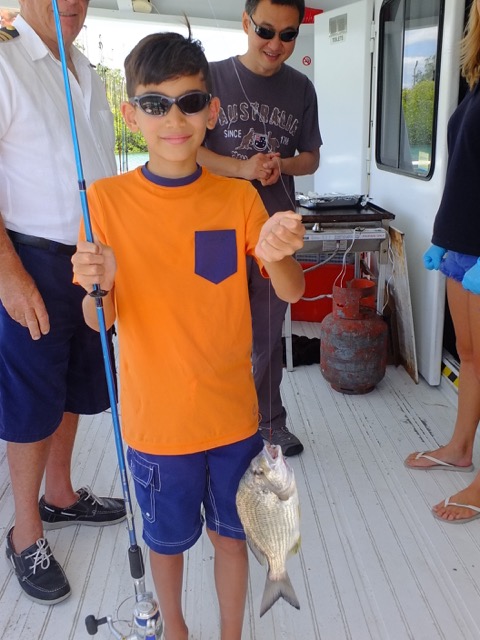
I asked Caleb DSCF1768for his help, so now both of us are tugging on the fishing line. “FISH! FISH!” I yelled. My mom and dad rushed around the corner of the boat; my dad was holding his huge Camera. The captain helped Caleb and I hold the fish in place for a picture. After a few pictures had been taken, the captain took the fish off the hook and let it go. At first, Caleb thought it was dead. Then it vanished under the water.

This was an amazing experience with Catch a Crab. So if you ever want to go to Australia, visit New South Wales and have an amazing time with Catch a Crab.

Tweed Heads, Australia: Catch a Crab – by Caleb

Today we went on a saltwater river cruise called catch a crab. Catch a crab is a company that organizes crab catching and other water activities for tourists like us. We happened to be on the largest crab catching boat in the world! We did three water activities including crab catching. We did yabby catching, crab catching (who would have guessed!), and bird feeding.

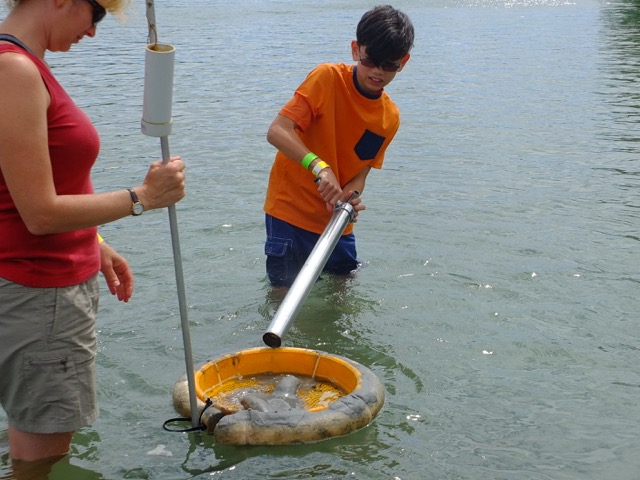
DSCF1738On our first activity, the yabby catching, our guide for the morning (who happened to be quite fun and humorous) showed us what the heck a yabby is before we went out to collect them. A yabby looks a lot like a miniature shrimp. For those of you who don’t know what a shrimp is, I’m sorry I can’t help you! Our guide showed us a few holes in the river bottom, where yabbies live. Then he laid a floating sieve on the river. After the sieve had settled on the water, he grabbed a metal pole and pierced the mud about two feet below the surface. Finally, he tied the sieve to the pole to keep it from floating away. He went back on the boat to retrieve something and returned a moment later with a device that looked somewhat like a machine gun. As it turns out, you use this more like a large air pump than a weapon. He explained that this pump we would be using was actually a yabby catcher. He gave us a demonstration on how to use it. He plunged the silver metal tube into the mud where a yabby hole was. As he did this, he pulled on the handle to suck in the dirt and hopefully a yabby as well. Overall, he did this in one smooth motion. Then, he pulled the pole out of the mud as if he were pulling up a pile of dirt with a shovel. Once he lifted the yabby catcher out of the water, he turned it sideways, and slowly pushed down on the handle of the so-called “pump” which slowly released the mud onto the sieve. Then he shook the sieve to see if he had caught any yabby. He told us we had to do this five times in the same hole and then move on to a new hole if you don’t catch anything. We had half an hour in the warm river water to try to catch a yabby.

DSCF1735 DSCF1719 DSCF1718

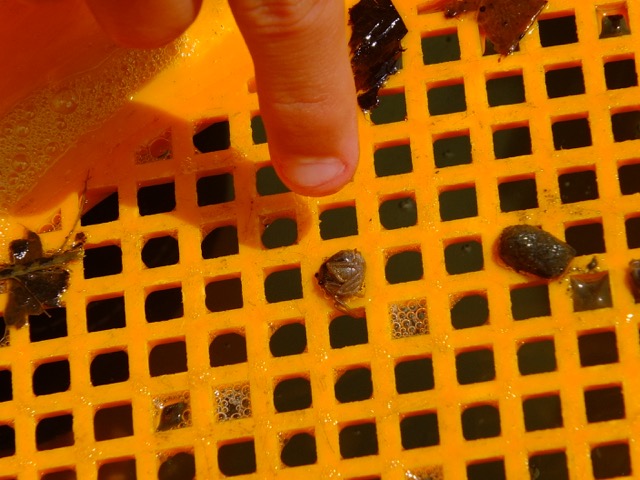
Connor, mom and I went up and down the river unsuccessfully trying to catch a yabby. The most exciting thing we caught on that stop were a couple of tiny, tiny crabs and a lot of sea grass. As it turned out, no one else caught a stupid yabby either! We decided that the two possible reasons why, were because yabby are really stubborn or, we were completely and utterly hopeless.

DSCF1732

Upon returning to the boat, our guide went around asking for volunteers to pull up the crab traps. Connor and I volunteered and we were the second people to pull up a crab trap. As we started to pull up the trap it became quite easy, which for us happened to be quite a shock. However, things did not remain easy, for a moment later a massive tug seemed to pull on the rope we were holding. Connor and I struggled to have the cage reach the surface but we eventually succeeded in pulling up the cage. For a second, Connor and I did not see anything in the cage but then we noticed an enormous crab rolling around in it. A few Chinese ladies shrieked behind us. The guide opened the cage and grabbed the crab. Then he brought it to who knows where. For all I know, it could have been lunch. Many other people did what we did later, while we sat inside and talked to the guide.

DSCF1750

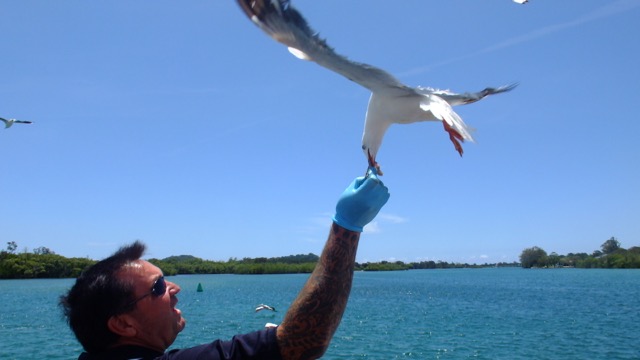
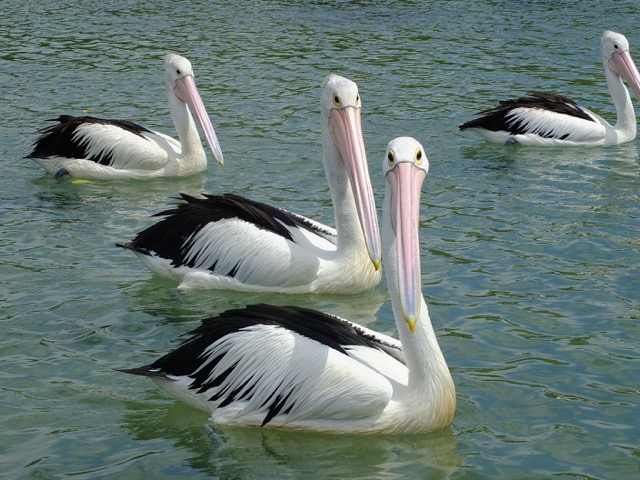
Ten minutes later the guide brought out a bucket of fish and placed it on the deck. People came from upstairs and down onto the front deck without the guide even having to call them. The smell gave it away! He grabbed a chunk of fish and tossed it up in the air. Then from the middle of nowhere, a pelican swooped down and grabbed the fish from mid air just like that. Next thing we know a whole flock of pelicans had gathered in the water in front of the boat. A swarm of gulls also appeared above our heads. Also, among these two kinds of birds, we spotted a hawk that wanted to join the party. We threw fish in every which direction with out one piece ever touching the water.

DSCF1777 DSCF1723

When the excitement finally died down, we returned inside and the guide showed us the power of a crab. He explained that a crab is actually very strong when aggressive. To prove this he showed us a carrot. “This is your finger,” he explained. He hit the crab a couple of times with the carrot and then put it in front of the crab.

DSCF1758

The crab grabbed it with its pincers and snapped it in half with ease. He explained the difference between the male and the female and then handed us a fishing rod and we went out and fished. Connor caught a nice big fish and I helped him reel it in. Then the captain told us what kind of fish it was and released it. Apparently if you keep a fish that is not big enough, there is a five thousand dollar fine.

DSCF1770

DSCF1762

Once the cruise was over we hit shore and many people got out of the boat. But low and behold we didn’t have to! We got to have lunch on the boat so once people left we were served a whole cooked crab, a whole cooked chicken, and four cooked pieces of ham that happened to be gigantic! Alongside that we got an “all u can eat buffet” that had bread, salad, coleslaw, rice and soup. We ate and greatly enjoyed our delicious meal, and then headed upstairs to get a better view of the river. The captain took us on a quiet, peaceful river cruise for twenty minutes before docking and letting us off the boat. This was an amazing experience and a ‘must do’ if you happen to be in New South Wales on the east coast of the amazing country of Australia.

DSCF1767

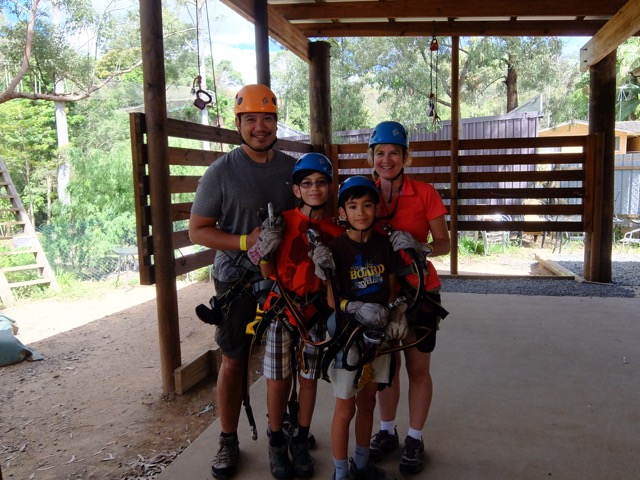
Tamborine Mountains, Australia: Tree Top Challenge – by Connor

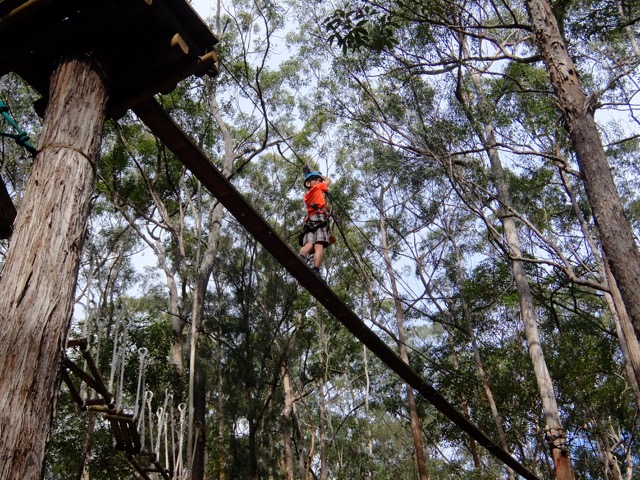
While driving in our camper van, my mom said that we were going to a place called Tree Top Challenge in the Tamborine Mountains. I thought it sounded fun, until my mom explained what it was. She said that it was a ropes course in the trees, and it had many other obstacles. I have only done one other course in my life, so this was going to be the second. I was very nervous but excited too. I have never zip lined before and this course had zip lines in it.

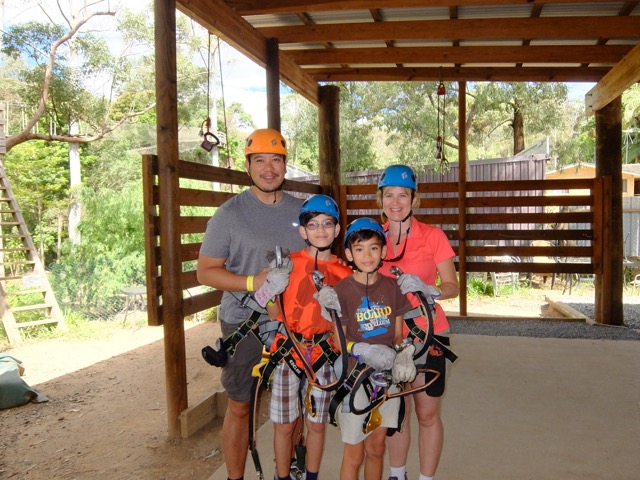
We drove to Tree Top Challenge and booked a spot for after lunch. We finished eating and walked to the challenge course. We put on our harnesses and gloves, and we were shown how to use the safety gear. I was already pretty nervous!

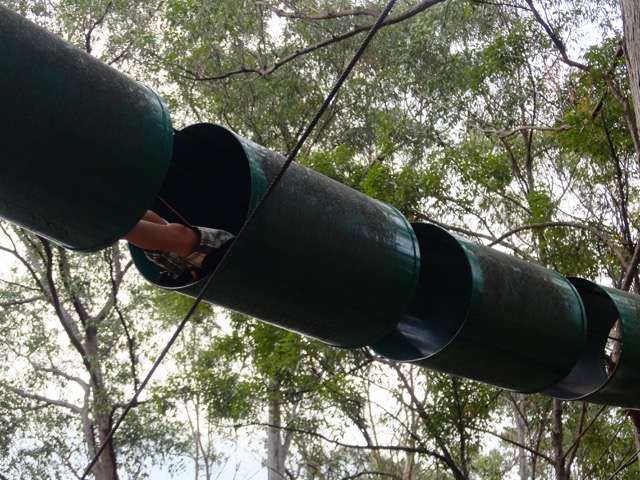
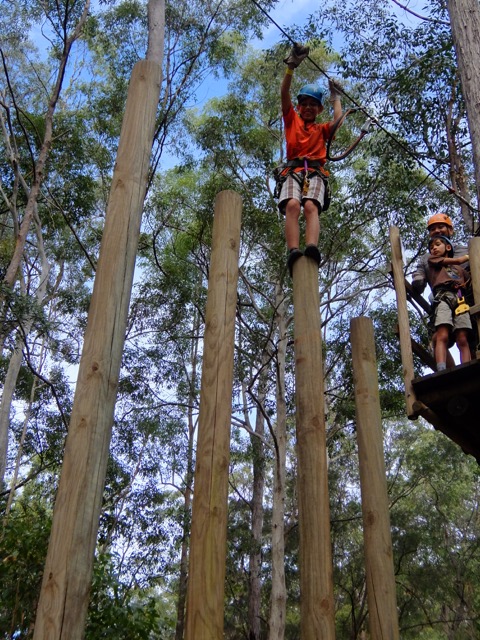
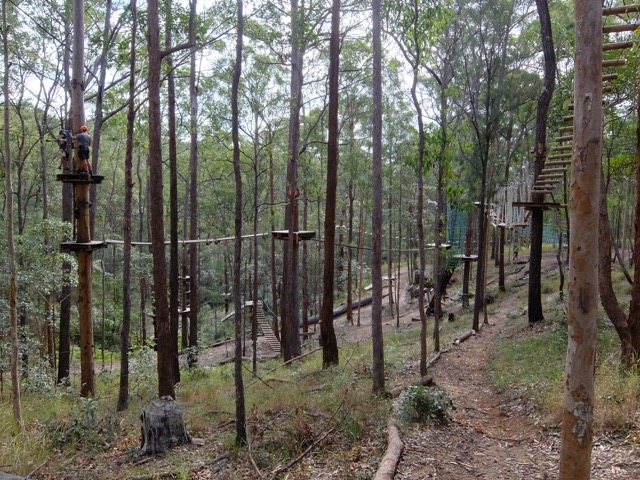
After that, we walked onto a bridge and walked all the way to the start of the course. The first challenge was to walk along a cable (like a tight rope) with another cable over our heads to hold on to. The cable that I crossed was about 10 feet above the ground and the next challenges got harder and higher – up to 30 feet above the ground. I was actually quite scared at first because I am afraid of heights! Once I got the hang of it though, it was fun!

DSCF1116

DSCF1120

I seemed to be good at the challenges, probably because I really persevered and I was enjoying it. That was until we had to pull ourselves backwards. You had to sit in your harness, putting your head in the direction you were going and pull yourself across. I found this difficult because you had to pull your own body weight across the cable. It can hurt your back if you don’t hold your legs up high.

DSCF1154 DSCF1152 DSCF1150

Then there were the zip lines; you have to sit down in your harness, feet first and fly! The first one I did was very scary! You really fly across but I didn’t quite make it to the other side, so I had to pull myself the rest of the way. Once you get the hang of it though, the zip line are much more relaxing than the other challenges!

DSCF1147 DSCF1145 DSCF1144

One of the harder challenges for me were the free-hanging rope ladders. First you had to pull down a 5 kg weight that was attached to the safety line and then attach your harness to it. Since I’m quite small this took my full body weight to pull it! Your carabineer gets attached to a ring and you climb up or down to the next platform. The rope ladder is not attached at the bottom so it swings around every time you take a step. This made it very difficult for me but I made it through slowly but surely.

DSCF1137 DSCF1130 DSCF1124

After this experience, I would like to try other rope and treetop course to compare them. I felt this helped my fear of heights and it turned out to be a very fun day!